Mussels Stewed with Apple & FennelFrom: EatingWell
Apples and fennel pair beautifully in this dish.
Servings: 2 servings
Prep: 35 mins
Total: 40 mins
Rated : Not yet rated
Rate and Comment
Ingredients
2 teaspoons walnut oil, or canola oil
1 tart green apple, such as Granny Smith, cored and thinly sliced
1 small bulb fennel, quartered, cored and thinly sliced
1 small onion, thinly sliced
2 teaspoons fresh thyme, or 1/2 teaspoon dried
1 teaspoon minced fresh sage, or 1/4 teaspoon dried
1/4 teaspoon ground nutmeg
1/2 cup vegetable broth, or chicken broth
1/4 cup dry vermouth, or dry white wine
2 pounds mussels, scrubbed and debearded (see Note)
Directions
1. Heat oil in a large saucepan over medium heat.
2. Add apple, fennel and onion. Cook, stirring frequently, until softened, 6 to 8 minutes.
3. Stir in thyme, sage and nutmeg. Cook, stirring, until fragrant, about 30 seconds.
4. Pour in broth and vermouth (or wine), stirring to scrape up any browned bits. Bring to a simmer.
5. Add mussels and stir to combine. Return to a simmer. Cover, reduce heat and simmer until the mussels open, 6 to 8 minutes. Stir; discard any unopened mussels before serving.
Tip:Note: To debeard a mussel: Hold the mussel in one hand. Firmly pull out the black fibrous "beard" from the shell.
Nutrition Facts
Calories 310, Total Fat 9 g, Saturated Fat 1 g, Monounsaturated Fat 2 g, Cholesterol 48 mg, Sodium 494 mg, Carbohydrate 29 g, Fiber 6 g, Protein 23 g, Potassium 770 mg. Daily Values: Vitamin C 50%, Iron 40%. Exchanges: Fruit 1,Vegetable 2.5,Lean Meat 3.Percent Daily Values are based on a 2,000 calorie diet
More Great Recipe Ideas from EatingWell
25 Dinners Ready in Under 20 Minutes
23 Quick and Healthy Chicken Recipes
29 Healthy Dinners Under $3
Delicious Low Calorie Recipes
Grab and Go Breakfasts
Monday, August 30, 2010

What Are You Talking About


Most of you have heard the terms type one and type two muscle fibers, also known as fast twitch and slow twitch, but do you really know what those two terms are referring to? Which type dominates your physique?
By: Wayne Mercer
Most of you have heard the terms "type one" and "type two" muscle fibers, also known as "fast twitch" and "slow twitch" - but do you really know what those two terms are referring to?
In general, the two terms refer to the two types of muscle fibers present in every mammal, which are responsible for the composition of the muscle. The two types of muscle fibers are as inverse in physiological properties, as they are in the performance that the two yield.
RELATED ARTICLE
Slow & Fast Twitch Muscle Fibers. In this article you will learn that the higher the reps, the more slow twitch fibers you work and the lower the amount of reps, the more fast twitch fibers you work and much more... [ Click here to learn more. ]
By now you're probably wondering which type of muscle dominates your physique. There is actually a very simple way to tell whether you are made up of white or dark meat...
So, What Are You Talking About?
I refer to the two as white and dark meat because that's actually what the two are! Perhaps one of the main differences is the difference in the rate of full contraction for the two different types of muscle.
"The full contraction rate for a Type One musclefiber is about 150 milliseconds..."
It takes about 2½ times longer for a type one fiber to fully contract, when compared to the full contraction rate of type two fibers. The full contraction rate for a type one muscle fiber is about 150 milliseconds, while that of a type two is about 65 milliseconds.
RELATED ARTICLE
Muscle Fibers: How Do They Differ? The body is composed of different groups of muscles and each person has a unique composition of muscle tissue. Learn more about the 3 different muscle fibers and how they build differently depending on the sport. [ Click here to learn more. ]
Type Two (Fast Twitch) = White Meat
I will explain a little more about type two muscle (fast twitch) fibers first. Type two fibers are able to exert more force and greater energy, but with much less endurance than type one muscle.
Fast twitch muscle fiber is also more complex than type one. There are actually two different types of type two muscle fibers:
Type IIa
Type IIb
The only difference between the two is that Type IIa have more endurance than the Type IIb variety.
Nevertheless, no matter what version of type two muscle you are talking about, type two muscle fibers are also larger than type one, and respond better to resistance training than the type one fiber.
This is why many people are able to train and become stronger, but stay literally identical in size. So if you excel at short burst or sprinting type activities, then you are probably a white meat bird.
RELATED ARTICLE
Training To Maximize Your Muscle Fiber Types! Your muscles are made of 2 different types of fibers. Find out what they are, what your personal fiber make-up is and how to train for maximum results. [ Click here to learn more. ]
Type One (Slow Twitch) = Dark Meat
Type one muscle (slow twitch) is not capable of the type of force exerted by type two fibers, but retains endurance well beyond that of the type two (fast twitch) muscle fiber.
Type one muscle is the darker of the two types because of the additional oxygen, mitochondria, and myoglobin (oxygen carrier in muscle) it contains.
Mitochondria One of the major organelles of the human cell.
Mitochonidria: The spherical or elongated organelles in the cytoplasm of nearly all eukaryotic cells, containing genetic material and many enzymes important for cell metabolism, including those responsible for the conversion of food to usable energy. Also called chondriosome.
These are the three factors (oxygen, mitochondria, & myoglobin) which are responsible for the performance characteristics of the muscle fiber as well. This is also the reason a bird possesses both white and dark meat; they have two types of muscle fibers as well!
This Is For The Birds
Humans, not unlike our feathered friends, are made up of mostly type one fibers in the areas that are responsible for doing endurance type of work - the most common area of type one fibers being the calves and lower legs. The type one fiber is also smaller than that of the type two.
I personally didn't realize how much type one muscle fiber I have (in my arms of all places!), until my recent workout partner of 175 lbs began to stack on more plates than I do while doing curls. I even have an extra 1.5" in my arms than he does! So if your endurance overshadows your strength, then you are more than likely a dark meat bird!
RELATED ARTICLE
Muscle Physiology - Oh Those Crazy Muscles! Muscle Physiology and the various lumps on a persons body. What are they you ask? Well let's take a look inside these lumps and see what they are made of. [ Click here to learn more. ]
The fact of the matter is that genetics plays the primary role in what type of fiber makes up your muscle composition, and we are actually neither a strictly white meat bird nor a strictly dark meat bird. What type of fiber dominates your muscle is as dependent on genetics as height, eye, or hair color. There is some hope though...
Research leads us to believe that participating in exercises or sports that rely on a certain type of fiber can lead to an increase of that particular fiber's development.
Although the increase in fiber development isn't equal to the amount of effort put into the cause, you will gain some of the fiber type desired. Once again, there is always a genetic plateau.
What's A Plateau?A level of attainment or achievement in weight loss or bodybuilding where one gets "stuck in a rut", barring further progress or noticable results. As obvious as it may seem, if you continue to do the same thing, you will continue to get the same results. Click here for tips on breaking through plateaus.
Thanks
As always, I hope that you have enjoyed this rather intriguing article or, at the very least, educational article - and if you have any questions, please let me know. All emails are welcomed, and I will get back to you with all possible speed!
Thanks,
Wayne MercerCMERCER@hot.rr.com
Recommend this article to a friend by e-mail here!
Back To Wayne Mercer's Main Page
Back To The Articles Main Page.
Related Articles Muscle Physiology - Oh Those Crazy Muscles! Skeletal Muscle Anatomy & Physiology. Training To Maximize Your Muscle Fiber Types!
BODYBUILDER


Muscle Physiology and the various lumps on a persons body. What are they you ask? Well let's take a look inside these lumps and see what they are made of.
By: Eric Broser
When the average person takes a look at a bodybuilder all he sees is a series of lumps and bumps of varying shapes and sizes.
Upon inspection he/she may find these odd protrusions to be fascinating, cool, or perhaps grotesque, maybe even a little intimidating. But little does he know how complex and intricate all these "lumps" really are!
Let's take a look inside these lumps, see what they are made of and what we can do to make them bigger and stronger.
What Are These Lumps Made Of?
Ok, first let me stop calling them lumps or bumps and refer to them more properly as skeletal muscles, or just muscles for short.
Muscle is composed of bundles of muscle fibers or myofibers. Each fiber is composed of myofibrils, which, in turn, are composed of myofilaments. The myofilaments are made up of two proteins called myosin and actin. The myosin and actin act within the smallest functional unit of muscle, the sarcomere, to produce a contraction.
Back Next Muscle Structure.
It is the myosin protein, however, which holds the key to the differences in muscle fiber types. (Complicated lumps these muscles, aren't they!) In general, there are four different fiber types in skeletal muscle. These four include:
Type I, also known as slow-twitch or slow fibers
Type IIA
IID
IIB, also known collectively as fast-twitch or white fibers
Speed, Size & Endurance:
Type I are the slowest, smallest, and have the highest level of endurance of all the fibers. Next come the Type IIA, IID, and finally the Type IIB, which are the fastest, largest, and least endurance oriented in the group.
Muscle Contraction:
As you contract a muscle, you'll recruit those muscle fibers in a specific order. The smallest (lowest threshold) fibers, the Type I, are recruited first.
As the speed or force of contraction is increased, you will sequentially recruit the Type IIA, IID, and IIB muscle fibers. However, to recruit the Type IIB fibers it may take over 90% of a maximal contraction!
Fiber Concentrations:
RECOMMENDED ARTICLE
Muscle Fibers Our body is composed of many different groups of muscles and each person has a unique composition of muscle tissue in their body.
[ Learn More ]
All people are born with these muscle fiber types. Most muscles contain almost an even split of slow (Type I) and fast (Type II) fibers.
There are a few exceptions, however, as the soleus muscle of the calf is prominantly slow twitch, while the gastrocnemius muscle and the hamstrings are prominantly fast twitch.
Also, individuals on opposite ends of the athletic spectrum like sprinters and marathon runners for example, may possess a higher percentage of one fiber type.
What Does This Mean To Bodybuilders?
Well, in order to obtain maximal muscle size we must regularly train all of our muscle fibers. A combination of bodybuilding (higher and lower rep), powerlifting, and even a little Olympic-style lifting may be best. Bodybuilding seems to stress the Type I and IIA fibers, while the IIB fibers may be best stimulated through powerlifting and Olympic lifting.
The IID fibers are perhaps stressed equally by all three forms of training. I believe that the key to long term progress in bodybuilding can be summed up by one important word: Variation!
Mix It Up!
Doing the same three sets of 8-12 reps over and over will help you to a point. But after that, make a change! By selectively alternating your:
Training volume (total sets/reps)
Training intensity (weight lifted)
Training techniques (forced reps, pre-exhaust, supersets, drop sets, etc.)
Forced Reps Video Guide:
Windows Media Player (376 KB)
Real Player (512 KB)
Mpeg (1.1 MB)
Super Set Video Guide:
Windows Media Player (401 KB)
Real Player (547 KB)
Mpeg (1.2 MB)
Drop Set Video Guide:
Windows Media Player (376 KB)
Real Player (512 KB)
Mpeg (1.1 MB)
Training tempo (rep speed)
Rest between sets
Bodypart arrangement, etc.
You're also more likely to avoid injuries and overtraining and therefore maximize your gains. As long as the stimulus presented to your muscles is novel and taxing, they will continue to adapt accordingly.
Just remember that your muscle fibers are not static entities, they are dynamic and malleable. Therefore you yourself should not be static - don't do the same thing over and over and expect a different result.
Don't get stuck in just one type of training program! Be creative! Be dynamic! Your muscles will reward you with continuous gains in size, strength, and endurance.
Now, go get to work on those "lumps!"
Eric Broser
Recommend this article to a friend by e-mail here!
Visitor Reviews Of This Article! Read Visitor Reviews - Write Your Own Review
Back To Robert DiMaggio's Main Page
Back To The Articles Main Page.
Related Articles Cellulite Solutions For Women Contest Preparation Using Science! Abdominal Training: The Finishing Touch
Saturday, August 28, 2010
Get big


Muscle Building Supplements Made Easy!
"Ahhhhhhh! I need to build muscle quick, but there's 50 million freakin' different products out there and I don't know where to start!" If this sounds vaguely familiar to something you've heard yourself mutter, you're not alone! We get e-mails and phone calls from customers all the time asking for our advice in choosing the right products to help them gain muscle quickly and effectively.
First of all, you don't necessarily need supplements to gain muscle. However, they will definately help you build muscle a lot quicker. Supplements are simply tools to increase your muscle building potential. Read Big Cat's articles on nutrition and supplementation for more in-depth information. Most people start out with a multi-vitamin, protein, and creatine.
First off, there are several types of supplements that make muscle grow, recover, and rebuild faster. Here's a list of the top supplement types people use to produce the best results:
Protein
Creatine
Glutamine
Multi-Vitamin
Natural Test Booster
HMB
Growth Hormone
NO (Nitric Oxide)
Anti-Estrogens
Protein Bars
Amino Acids
Methoxy, Ecdy
ZMA
Already know what you want? View all muscle building products by category.
Choose A CategoryProteinCreatineGlutamineMulti-VitaminNatural Test BoostersHMBGrowth Hormone BoostersNO (Nitric Oxide)Anti-EstrogensProtein BarsAmino AcidsMethoxyEcdyZMAOther
With all these different types to choose from, what should you take to most effectively aid in the muscle building process? Let's start by explaining each one of these types so you have a better understanding of what to expect from each of them.
NOTE: To sort product by price, servings and more, simply click the VIEW ALL links in each category.
Featured Muscle Building Product
Pharmaceutical Alternatives TestoRx
TestoRx contains the patented ingredients Testofen, ZMA, and Bulgarian Tribulis that will give you the results you are looking for! Learn More!
Protein Products
Protein is made of amino acids. Amino acids are the basic building blocks of muscle. Therefore, protein is an essential ingredient for muscle building. You can't build muscle without it! You will want to take in about 1-2 grams of protein per pound of bodyweight throughout the day. So an average person who weighs 150 lbs would want to consume between 150 and 300 grams of protein in a day. Protein shakes and bars are convenient and provide high quality protein.
There are several forms of protein including: Whey, Soy, Egg, and Casein. So which kind is best? Well that depends on how and when you want to use them. View our in-depth articles on this subject
Whey - Basically, whey protein is awesome for post-workout supplementation because that's the time when your body needs protein the most, and whey is digested very quickly (about 30 minutes). View all Whey products.
Casein - Casein, on the other hand, is digested very slowly (over 2 - 7 hours). This means it's great to use a protein supplement with casein before bed because the longest time your body goes without protein is during the night while you are sleeping. View all Micellar Casein products.
Egg - Egg protein (albumen) digests at a medium pace (1.5-3 hours) so it's a good anytime protein to provide a good sustained release of aminos to the body. View all Egg Protein products.
Soy - Soy protein is the vegetarian's friend because it's one of the only complete protein sources derived from plants. Soy is a good overall protein, although it's not as effective in terms of absorbtion as whey or egg albumen. Additionally, soy has many recognized health benefits for women. View all Soy products.
Blends - Either protein supplements are straight whey, soy, egg, or casein; or they are a combination of any or all of these kinds of proteins. What can a blend of proteins offer that a straight protein cannot? Basically, different rates of digestion. This means you can take a blended protein any time to get quick, medium, and prolonged absorption of protein. ProM3 is one of the best in the blended proteins category.
Low Carb - Of the many protein supplements, the two other main categories are weight gainers and low carb protein shakes and bars. These two are on opposite spectrums of each other. Yep, you guessed it low carb protein shakes are good for those dieting or trying to lose or maintain weight. View all Low Carb products.
Weight Gainer - Weight gainers are high calorie protein products that are great for people who are looking to bulk up. If you are having trouble gaining weight, taking in extra high quality calories will usually do the trick. View all Gainer products.
Top 5 Sellers
Optimum 100% Whey Protein
[ Choose Flavor ]
BSN Syntha-6
[ Choose Flavor ]
Optimum 100% Casein Protein
[ Choose Flavor ]
Gaspari Nutrition MyoFusion
[ Choose Flavor ]
CytoSport Muscle Milk
[ Choose Flavor ]
View All In This Category - Go
Creatine
Creatine works very well for increasing muscle mass. It is naturally occurring in the body. It's safe and very effective for anybody, especially if you've never used it before. We have tons of great articles on creatine, so you can become an overnight expert on it! The basics behind it are this: it increases ATP (the main energy source muscles use for explosive power) availability so that you can perform more reps and sets and lift more weight, consequently growing more muscle tissue. Creatine should be cycled. Many have found great results taking it for four weeks, followed by one to two weeks off. There are quite a few different types of creatine which you can view by top sellers. For example, there is pure creatine monohydrate, liquid creatine, micronized creatine and many more.
Okay, so now your head's spinning with different creatine products and types. What's best? The creatine supplements with built in dextrose, aminos and other goodies are probably the best, but cost-effectively a good micronized creatine taken with grape juice wouldn't be a bad choice. Take creatine post-workout.
Top 5 Sellers
USPlabs Jack3d
[ Choose Flavor ]
BSN NO-Xplode
[ Choose Flavor ]
Gaspari Nutrition SuperPump250
[ Choose Flavor ]
Higher Power Micronized Creatine
[ View Product ]
Optimum Micronized Creatine Powder
[ View Product ]
View All In This Category - Go
Glutamine
L-Glutamine is the most abundant amino acid found in muscle tissue. It helps prevent muscle wasting and improves recovery. The better and quicker you recovery, the sooner and harder you can hit it in the gym! Glutamine is safe to take year-round. Some of our favorites are listed below.
Glutamine should not be taken at the same time as creatine because they compete for receptors to be absorbed. Take glutamine pre-workout and creatine post-workout.
Top 5 Sellers
Optimum Glutamine 1000 Caps
[ View Product ]
MHP Glutamine-SR
[ View Product ]
Optimum Glutamine Powder
[ View Product ]
4Ever Fit L-Glutamine
[ View Product ]
Cheap Supplements Glutamine
[ View Product ]
View All In This Category - Go
Multi-Vitamins
You can't forget about this! It seems so basic and simple, but it's very important! If you are deficient in even one vitamin or mineral, your gains can really be hampered. A good multi-vitamin is a must for the best gains in muscle mass, not to mention good health.
People who are working out need more vitamins than the average couch potato, so your supermarket brands won't cut it.
Some of the best ones for bodybuilders and athletes are below.
Top 3 Sellers
Optimum Opti-Men
[ View Product ]
Universal Animal Pak
[ View Product ]
AST Multi Pro 32X
[ View Product ]
View All In This Category - Go
Natural Testosterone Boosters
Raising your testosterone helps you to gain muscle, enhance your mood, maintain a healthy libido, and more! Steroids do a great job of raising test levels, but they are not legal for use. These all-natural products would be perfect for you!
You can also use these natural products when you are off of your prohormone cycle.
This category includes popular products with ZMA, Tribulus, and much more.
Top 3 Sellers
Optimum ZMA
[ View Product ]
Universal Animal Stak
[ View Product ]
MHP T-Bomb II
[ View Product ]
View All In This Category - Go
Anabolic Flavones (Methoxy, Ecdy)
Methoxyisoflavone and Ecdysterone are the latest advancements in supplementation for anabolic gains. They are non hormonal flavones that naturally increase protein synthesis, nitrogen retention, and muscle growth. They work very well taken in conjunction with protein because they increase the absorption of protein. Some companies even combine the Methoxy into the protein for you.
The most popular supplements with these ingredients are below.
Top 3 Sellers
Gaspari Nutrition SuperPump250
[ Choose Flavor ]
Universal Animal M-Stak
[ View Product ]
SciFit EcdySterone 300
[ View Product ]
View All In This Category - Ecdy Or Methoxy
Amino Acids And BCAAs
Amino acids are the building blocks of protein. Bodybuilders can especially benefit from supplementing amino acids because they aid in repair, growth, and development of muscle tissue. Among the most beneficial and effective supplements in any sports nutrition program are branched chain amino acids. These are the essential aminos leucine, isoleucine, and valine. If you are looking for better results, make sure you are taking your amino acids! You'll be surprised at how well they work.
The most popular amino supplements are below.
Top 3 Sellers
Gaspari Nutrition SuperPump250
[ Choose Flavor ]
SciVation Xtend
[ Choose Flavor ]
Optimum BCAA 1000 Caps
[ View Product ]
View All In This Category - Amino Acids Or BCAA
NO (Nitric Oxide)
Nitric Oxide is a free form gas that is produced in the body and is used by the body to communicate with other cells in the body. The fact that nitric oxide increases blood flow should make it of interest to bodybuilders, as increased blood flow will serve to deliver more nutrients to muscles, thus helping muscles become larger when subject to stress. People are noticing huge increases in muscle pumps while using this product!
The most popular NO (Nitric Oxide) supplements are below.
Top 3 Sellers
BSN NO-Xplode
[ Choose Flavor ]
Gaspari Nutrition SuperPump250
[ Choose Flavor ]
USPlabs Jack3d
[ Choose Flavor ]
View All In This Category - Go
ZMA
ZMA is a scientifically designed anabolic mineral formula. It contains Zinc Monomethionine Aspartate plus Magnesium Aspartate and vitamin B-6, and is an all-natural product that has been clinically proven to significantly increase anabolic hormone levels and muscle strength in trained athletes. It is all natural! Studies have shown that supplementing with 30mg of Zinc and 450mg of Magnesium per day can elevate testosterone levels up to 30%! In a recent study, the strength of a group using ZMA increased by 11.6% compared to only a 4.6% increase in the placebo group.
This is a great choice for people wanting to avoid prohormones. The most popular ZMA supplements are below.
Top 3 Sellers
Optimum ZMA
[ View Product ]
Higher Power ZMA
[ View Product ]
NOW ZMA
[ View Product ]
View All In This Category - Go
HGH - Growth Hormone
Growth Hormone, a polypeptide hormone secreted by the anterior pituitary gland, is the latest advance in bodybuilding supplementation! Human Growth Hormone levels decline rapidly after age 30.
The most popular HGH supplements are below.
Top 3 Sellers
Applied Nutriceuticals HGH Up
[ View Product ]
Fountain Of Youth HGH Complete
[ View Product ]
Universal GH Max
[ View Product ]
View All In This Category - Go
HMB
It is a new and exciting supplement that is one of the most popular body building supplements today. HMB is a metabolite of leucine, one of the body's essential amino acids. Many of the world's champions and athletes are using HMB and receiving dramatic results. Specifically, HMB plays a role in the synthesis of muscle tissue. It has the ability to burn fat and build muscle consistently in response to exercise. A seven week long study showed a much greater gain in muscle when a group of 28 participated in a regular weight-training program.
The most popular HMB supplements are below.
Top 3 Sellers
Optimum HMB 1000 Caps
[ View Product ]
SciFit HMB
[ View Product ]
EAS Pro Science HMB
[ View Product ]
View All In This Category - Go
Other Muscle Building Products
Many other products help with your adventure in gaining muscle. Here are some of the best, with links to full info:
Protein Bars - Get the protein and calories you need.
Anti-Estrogens - Decreasing estrogen can give you better results.
Dessicated Liver - Great source of amino acids.
DHEA - For men over 35.
Ribose - Have more energy for your workouts.
Hardcore Products - Our most extreme products.
Muscle Building Combos! - We put together the best stacks!
View OTHER GOAL Categories
"Ahhhhhhh! I need to build muscle quick, but there's 50 million freakin' different products out there and I don't know where to start!" If this sounds vaguely familiar to something you've heard yourself mutter, you're not alone! We get e-mails and phone calls from customers all the time asking for our advice in choosing the right products to help them gain muscle quickly and effectively.
First of all, you don't necessarily need supplements to gain muscle. However, they will definately help you build muscle a lot quicker. Supplements are simply tools to increase your muscle building potential. Read Big Cat's articles on nutrition and supplementation for more in-depth information. Most people start out with a multi-vitamin, protein, and creatine.
First off, there are several types of supplements that make muscle grow, recover, and rebuild faster. Here's a list of the top supplement types people use to produce the best results:
Protein
Creatine
Glutamine
Multi-Vitamin
Natural Test Booster
HMB
Growth Hormone
NO (Nitric Oxide)
Anti-Estrogens
Protein Bars
Amino Acids
Methoxy, Ecdy
ZMA
Already know what you want? View all muscle building products by category.
Choose A CategoryProteinCreatineGlutamineMulti-VitaminNatural Test BoostersHMBGrowth Hormone BoostersNO (Nitric Oxide)Anti-EstrogensProtein BarsAmino AcidsMethoxyEcdyZMAOther
With all these different types to choose from, what should you take to most effectively aid in the muscle building process? Let's start by explaining each one of these types so you have a better understanding of what to expect from each of them.
NOTE: To sort product by price, servings and more, simply click the VIEW ALL links in each category.
Featured Muscle Building Product
Pharmaceutical Alternatives TestoRx
TestoRx contains the patented ingredients Testofen, ZMA, and Bulgarian Tribulis that will give you the results you are looking for! Learn More!
Protein Products
Protein is made of amino acids. Amino acids are the basic building blocks of muscle. Therefore, protein is an essential ingredient for muscle building. You can't build muscle without it! You will want to take in about 1-2 grams of protein per pound of bodyweight throughout the day. So an average person who weighs 150 lbs would want to consume between 150 and 300 grams of protein in a day. Protein shakes and bars are convenient and provide high quality protein.
There are several forms of protein including: Whey, Soy, Egg, and Casein. So which kind is best? Well that depends on how and when you want to use them. View our in-depth articles on this subject
Whey - Basically, whey protein is awesome for post-workout supplementation because that's the time when your body needs protein the most, and whey is digested very quickly (about 30 minutes). View all Whey products.
Casein - Casein, on the other hand, is digested very slowly (over 2 - 7 hours). This means it's great to use a protein supplement with casein before bed because the longest time your body goes without protein is during the night while you are sleeping. View all Micellar Casein products.
Egg - Egg protein (albumen) digests at a medium pace (1.5-3 hours) so it's a good anytime protein to provide a good sustained release of aminos to the body. View all Egg Protein products.
Soy - Soy protein is the vegetarian's friend because it's one of the only complete protein sources derived from plants. Soy is a good overall protein, although it's not as effective in terms of absorbtion as whey or egg albumen. Additionally, soy has many recognized health benefits for women. View all Soy products.
Blends - Either protein supplements are straight whey, soy, egg, or casein; or they are a combination of any or all of these kinds of proteins. What can a blend of proteins offer that a straight protein cannot? Basically, different rates of digestion. This means you can take a blended protein any time to get quick, medium, and prolonged absorption of protein. ProM3 is one of the best in the blended proteins category.
Low Carb - Of the many protein supplements, the two other main categories are weight gainers and low carb protein shakes and bars. These two are on opposite spectrums of each other. Yep, you guessed it low carb protein shakes are good for those dieting or trying to lose or maintain weight. View all Low Carb products.
Weight Gainer - Weight gainers are high calorie protein products that are great for people who are looking to bulk up. If you are having trouble gaining weight, taking in extra high quality calories will usually do the trick. View all Gainer products.
Top 5 Sellers
Optimum 100% Whey Protein
[ Choose Flavor ]
BSN Syntha-6
[ Choose Flavor ]
Optimum 100% Casein Protein
[ Choose Flavor ]
Gaspari Nutrition MyoFusion
[ Choose Flavor ]
CytoSport Muscle Milk
[ Choose Flavor ]
View All In This Category - Go
Creatine
Creatine works very well for increasing muscle mass. It is naturally occurring in the body. It's safe and very effective for anybody, especially if you've never used it before. We have tons of great articles on creatine, so you can become an overnight expert on it! The basics behind it are this: it increases ATP (the main energy source muscles use for explosive power) availability so that you can perform more reps and sets and lift more weight, consequently growing more muscle tissue. Creatine should be cycled. Many have found great results taking it for four weeks, followed by one to two weeks off. There are quite a few different types of creatine which you can view by top sellers. For example, there is pure creatine monohydrate, liquid creatine, micronized creatine and many more.
Okay, so now your head's spinning with different creatine products and types. What's best? The creatine supplements with built in dextrose, aminos and other goodies are probably the best, but cost-effectively a good micronized creatine taken with grape juice wouldn't be a bad choice. Take creatine post-workout.
Top 5 Sellers
USPlabs Jack3d
[ Choose Flavor ]
BSN NO-Xplode
[ Choose Flavor ]
Gaspari Nutrition SuperPump250
[ Choose Flavor ]
Higher Power Micronized Creatine
[ View Product ]
Optimum Micronized Creatine Powder
[ View Product ]
View All In This Category - Go
Glutamine
L-Glutamine is the most abundant amino acid found in muscle tissue. It helps prevent muscle wasting and improves recovery. The better and quicker you recovery, the sooner and harder you can hit it in the gym! Glutamine is safe to take year-round. Some of our favorites are listed below.
Glutamine should not be taken at the same time as creatine because they compete for receptors to be absorbed. Take glutamine pre-workout and creatine post-workout.
Top 5 Sellers
Optimum Glutamine 1000 Caps
[ View Product ]
MHP Glutamine-SR
[ View Product ]
Optimum Glutamine Powder
[ View Product ]
4Ever Fit L-Glutamine
[ View Product ]
Cheap Supplements Glutamine
[ View Product ]
View All In This Category - Go
Multi-Vitamins
You can't forget about this! It seems so basic and simple, but it's very important! If you are deficient in even one vitamin or mineral, your gains can really be hampered. A good multi-vitamin is a must for the best gains in muscle mass, not to mention good health.
People who are working out need more vitamins than the average couch potato, so your supermarket brands won't cut it.
Some of the best ones for bodybuilders and athletes are below.
Top 3 Sellers
Optimum Opti-Men
[ View Product ]
Universal Animal Pak
[ View Product ]
AST Multi Pro 32X
[ View Product ]
View All In This Category - Go
Natural Testosterone Boosters
Raising your testosterone helps you to gain muscle, enhance your mood, maintain a healthy libido, and more! Steroids do a great job of raising test levels, but they are not legal for use. These all-natural products would be perfect for you!
You can also use these natural products when you are off of your prohormone cycle.
This category includes popular products with ZMA, Tribulus, and much more.
Top 3 Sellers
Optimum ZMA
[ View Product ]
Universal Animal Stak
[ View Product ]
MHP T-Bomb II
[ View Product ]
View All In This Category - Go
Anabolic Flavones (Methoxy, Ecdy)
Methoxyisoflavone and Ecdysterone are the latest advancements in supplementation for anabolic gains. They are non hormonal flavones that naturally increase protein synthesis, nitrogen retention, and muscle growth. They work very well taken in conjunction with protein because they increase the absorption of protein. Some companies even combine the Methoxy into the protein for you.
The most popular supplements with these ingredients are below.
Top 3 Sellers
Gaspari Nutrition SuperPump250
[ Choose Flavor ]
Universal Animal M-Stak
[ View Product ]
SciFit EcdySterone 300
[ View Product ]
View All In This Category - Ecdy Or Methoxy
Amino Acids And BCAAs
Amino acids are the building blocks of protein. Bodybuilders can especially benefit from supplementing amino acids because they aid in repair, growth, and development of muscle tissue. Among the most beneficial and effective supplements in any sports nutrition program are branched chain amino acids. These are the essential aminos leucine, isoleucine, and valine. If you are looking for better results, make sure you are taking your amino acids! You'll be surprised at how well they work.
The most popular amino supplements are below.
Top 3 Sellers
Gaspari Nutrition SuperPump250
[ Choose Flavor ]
SciVation Xtend
[ Choose Flavor ]
Optimum BCAA 1000 Caps
[ View Product ]
View All In This Category - Amino Acids Or BCAA
NO (Nitric Oxide)
Nitric Oxide is a free form gas that is produced in the body and is used by the body to communicate with other cells in the body. The fact that nitric oxide increases blood flow should make it of interest to bodybuilders, as increased blood flow will serve to deliver more nutrients to muscles, thus helping muscles become larger when subject to stress. People are noticing huge increases in muscle pumps while using this product!
The most popular NO (Nitric Oxide) supplements are below.
Top 3 Sellers
BSN NO-Xplode
[ Choose Flavor ]
Gaspari Nutrition SuperPump250
[ Choose Flavor ]
USPlabs Jack3d
[ Choose Flavor ]
View All In This Category - Go
ZMA
ZMA is a scientifically designed anabolic mineral formula. It contains Zinc Monomethionine Aspartate plus Magnesium Aspartate and vitamin B-6, and is an all-natural product that has been clinically proven to significantly increase anabolic hormone levels and muscle strength in trained athletes. It is all natural! Studies have shown that supplementing with 30mg of Zinc and 450mg of Magnesium per day can elevate testosterone levels up to 30%! In a recent study, the strength of a group using ZMA increased by 11.6% compared to only a 4.6% increase in the placebo group.
This is a great choice for people wanting to avoid prohormones. The most popular ZMA supplements are below.
Top 3 Sellers
Optimum ZMA
[ View Product ]
Higher Power ZMA
[ View Product ]
NOW ZMA
[ View Product ]
View All In This Category - Go
HGH - Growth Hormone
Growth Hormone, a polypeptide hormone secreted by the anterior pituitary gland, is the latest advance in bodybuilding supplementation! Human Growth Hormone levels decline rapidly after age 30.
The most popular HGH supplements are below.
Top 3 Sellers
Applied Nutriceuticals HGH Up
[ View Product ]
Fountain Of Youth HGH Complete
[ View Product ]
Universal GH Max
[ View Product ]
View All In This Category - Go
HMB
It is a new and exciting supplement that is one of the most popular body building supplements today. HMB is a metabolite of leucine, one of the body's essential amino acids. Many of the world's champions and athletes are using HMB and receiving dramatic results. Specifically, HMB plays a role in the synthesis of muscle tissue. It has the ability to burn fat and build muscle consistently in response to exercise. A seven week long study showed a much greater gain in muscle when a group of 28 participated in a regular weight-training program.
The most popular HMB supplements are below.
Top 3 Sellers
Optimum HMB 1000 Caps
[ View Product ]
SciFit HMB
[ View Product ]
EAS Pro Science HMB
[ View Product ]
View All In This Category - Go
Other Muscle Building Products
Many other products help with your adventure in gaining muscle. Here are some of the best, with links to full info:
Protein Bars - Get the protein and calories you need.
Anti-Estrogens - Decreasing estrogen can give you better results.
Dessicated Liver - Great source of amino acids.
DHEA - For men over 35.
Ribose - Have more energy for your workouts.
Hardcore Products - Our most extreme products.
Muscle Building Combos! - We put together the best stacks!
View OTHER GOAL Categories
How to Build Muscle Fast
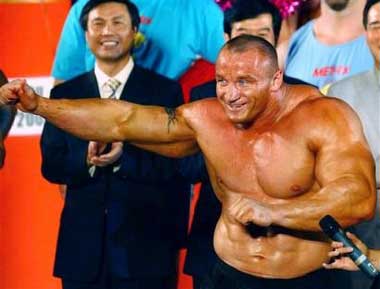

You have to give special attention and effort to finish any task and bodybuilding is no different. To build your muscles, you should follow a special routine and diet. Without relevant determination, commitment and information, muscle building cannot be achieved within few days. As it takes considerable time frame, the person's patience is of paramount importance, as being impatient can spoil the exercise agenda as well as the dietary system.
read more
Weightlifting Exercises
Weight Lifting Exercise
Olympic
Weight Lifting Belts
Weight Lifting Bench
Weight Lifting Diet
Bodybuilding Exercises
Body Building Exercise
Brabell Squat
Body Building Routine
Dead Lift
Exercise Addiction
Bodybuilding Supplements
Alpha Lipoic Acid
Choosing Supplements
Chromium Picolinate
Clif Energy Bar
Coenzyme Q10
Strength Training
Strength Training
Baseball Strength Training
Benefits of CardioTraining
Strength Training Benefits
Strength and Stability
Fitness
Fitness Programs
24 Hour Fitness Path
Best Home Fitness Equipment
Beauty and Fitness
Best Equipment
Bodybuilding Tips
American BodyBuilding
Arnold Schwarzenegger
Bodybuilding equipment
Bodybuilding Clothes
Bodybuilding Competitions
read more
Weightlifting Exercises
Weight Lifting Exercise
Olympic
Weight Lifting Belts
Weight Lifting Bench
Weight Lifting Diet
Bodybuilding Exercises
Body Building Exercise
Brabell Squat
Body Building Routine
Dead Lift
Exercise Addiction
Bodybuilding Supplements
Alpha Lipoic Acid
Choosing Supplements
Chromium Picolinate
Clif Energy Bar
Coenzyme Q10
Strength Training
Strength Training
Baseball Strength Training
Benefits of CardioTraining
Strength Training Benefits
Strength and Stability
Fitness
Fitness Programs
24 Hour Fitness Path
Best Home Fitness Equipment
Beauty and Fitness
Best Equipment
Bodybuilding Tips
American BodyBuilding
Arnold Schwarzenegger
Bodybuilding equipment
Bodybuilding Clothes
Bodybuilding Competitions
Thursday, August 26, 2010
getting in shape


3 Fat Loss Nutrition Tips To Blast Fat!
I was at the bookstore looking at some magazines when something caught my eye. The subtitle read Hot Bodies Best Diets. I can't remember exactly which magazine featured the subtitle but it was one of the popular tabloids. I had two questions immediately. What do they mean by "Hot Bodies"? What do they mean by "Best Diets"?
According to the magazine "Hot Bodies" means skinny and "Best Diets" means diets that make you skinny. I looked through the magazine and I found that celebrities use all kinds of different diets just like non-celebrities. There was a common factor with all the diets in the magazine, calorie deficit. A diet that results in calorie deficit does not necessarily mean a quality diet, but it does mean weight loss. In my opinion all quality diets share some characteristics.
The key factors in quality diets are:
Calorie intake (matters whether you're consciously counting or not)
Consumption of sufficient quantity of essential nutrients
Consideration of individual likes and dislikes
Consideration of metabolic abnormalities
Occasional breaks from the diet
Recognizing that you don't have to stick to the program 100% of the time to see the benefits
Click To Enlarge. A Diet That Results In Calorie Deficit Doesn't NecessarilyMean A Quality Diet, But It Does Mean Weight Loss.
1. Junk Food
Does consuming junk food (highly processed foods) make you fat? That depends on how much junk food you eat and your average daily metabolic rate. Isn't junk food bad for your health? That depends on how much junk food you eat, your energy expenditure and whether you have any metabolic abnormalities.
Click To Enlarge. Whether Junk Food Will Make You FatDepends On How Much You Eat?
2. Do Calorie Sources Matter If A Calorie Is A Calorie?
A calorie is a unit of energy. It is the amount of energy or heat that it takes to raise the temperature of one gram of water one degree Celsius (1.8 degrees Fahrenheit). The energy derived from foods when they are oxidized in the body is measured in kilocalories (thousands of calories).
A kilocalorie is the amount of energy required to raise 1000 grams of water one degree Celsius. Kilocalorie is written as "Calorie" (with a capital C) or it may be abbreviated to "Kcalorie" or "Kcal." Therefore, whenever the word calorie is used in connection with food or nutrition, the meaning is always kilocalorie or calorie.
In terms of fat loss, a low calorie diet consisting of Twinkies will result in weight loss just like a low calorie diet consisting of fruits and vegetables. When considering which is more nutritious fruits and vegetables wins hands down. Which is more filling? Fruits and vegetables win again. When considering issues other than energy content it's not just about calories.
RELATED VIDEO: Your 12-Week Daily Video Trainer
Your 12-Week Daily Video Trainer - Tuesday, Week 6: Fruits & Vegetables!Kris Gethin is your own Daily Personal Trainer! Today we have some advice on what types of fruits and vegetables will work best for this transformation. Check out today's nutrition plan
Watch More From This Series Here.
We get calories from four sources including protein (4 Kcal per gram), fat (9 Kcal per gram), carbohydrate (4 Kcal per gram) and alcohol (7 Kcal per gram).
Are all calories the same? Yes and No.
Technically speaking a calorie is a calorie. The definition of a calorie does not change, but different calorie sources have different properties, and they affect the body in various ways. So, when considering nutrient value, affects on appetite, intolerances, and allergies, there are differences in calorie sources.
On a final note, some low-carb advocates claim that calories from fat are different than calories from carbohydrate. This assumption comes from the fact that short term weight loss is usually greater, even when eating the same amount of calories, with a low carbohydrate diet than a higher carbohydrate diet; however this occurs due to water loss.
Click To Enlarge. Greater Short Term Weight Loss With LowCarb Diets Is Due To Water Loss.
3. Supplements
Do you really need to spend hundreds of dollars per month on supplements if your nutritional practices are optimal? I doubt it. Let me re-word that, no, you don't.
Supplements add to the program. They do not replace sound training and nutrition. Legendary protein researcher, Kevin Tipton, says, "There is no reason to recommend protein supplements per se because there is no evidence that supplements work better than foods." I am not anti-supplement, but I am anti-nonsense.
.related-content-bottom
Undercover Calories - These Secrets May Be The Key Reason You Can't Lose Weight!
Have you tried repeatedly to lose those last 10 vanity pounds with no success? Stuck in a rut even though you're watching what you eat? The secret to all your troubles may be 'hidden' in the foods you're eating!
8 High-Sugar Foods To Avoid & Smart Choices To Replace Them!
Here's a list of 8 foods you need to have a close eye on if you are watching how much sugar you consume. Get the facts on how much sugar bagels and other popular foods have and healthy alternatives that are available!
Fight The Fat - The Opponent? A Calorie!
Ever wondered what a calorie really is and how it can help you in your fight to lose fat? Then look no further as I discuss what a calorie is, macronutrient breakdown of protein, carbs, fats, and much more right here!
Share This Article: Facebook
coachhale@adelphia.net
Recommend this article to a friend by e-mail here!
Back To Jamie Hale's Main Page
Back To The Articles Main Page.
Related Articles 25 Fast 'No Willpower' Ways To Lose Weight! Restaurant Dining Tips For Athletes & Healthy Eaters! 6 Sweet Secrets To Stay Slim!
Back To Top
Walden Farms Calorie Free DressingIncredibly Delicious And Perfect For Eating Healthy!Learn More!
I was at the bookstore looking at some magazines when something caught my eye. The subtitle read Hot Bodies Best Diets. I can't remember exactly which magazine featured the subtitle but it was one of the popular tabloids. I had two questions immediately. What do they mean by "Hot Bodies"? What do they mean by "Best Diets"?
According to the magazine "Hot Bodies" means skinny and "Best Diets" means diets that make you skinny. I looked through the magazine and I found that celebrities use all kinds of different diets just like non-celebrities. There was a common factor with all the diets in the magazine, calorie deficit. A diet that results in calorie deficit does not necessarily mean a quality diet, but it does mean weight loss. In my opinion all quality diets share some characteristics.
The key factors in quality diets are:
Calorie intake (matters whether you're consciously counting or not)
Consumption of sufficient quantity of essential nutrients
Consideration of individual likes and dislikes
Consideration of metabolic abnormalities
Occasional breaks from the diet
Recognizing that you don't have to stick to the program 100% of the time to see the benefits
Click To Enlarge. A Diet That Results In Calorie Deficit Doesn't NecessarilyMean A Quality Diet, But It Does Mean Weight Loss.

1. Junk Food
Does consuming junk food (highly processed foods) make you fat? That depends on how much junk food you eat and your average daily metabolic rate. Isn't junk food bad for your health? That depends on how much junk food you eat, your energy expenditure and whether you have any metabolic abnormalities.
Click To Enlarge. Whether Junk Food Will Make You FatDepends On How Much You Eat?

2. Do Calorie Sources Matter If A Calorie Is A Calorie?
A calorie is a unit of energy. It is the amount of energy or heat that it takes to raise the temperature of one gram of water one degree Celsius (1.8 degrees Fahrenheit). The energy derived from foods when they are oxidized in the body is measured in kilocalories (thousands of calories).
A kilocalorie is the amount of energy required to raise 1000 grams of water one degree Celsius. Kilocalorie is written as "Calorie" (with a capital C) or it may be abbreviated to "Kcalorie" or "Kcal." Therefore, whenever the word calorie is used in connection with food or nutrition, the meaning is always kilocalorie or calorie.
In terms of fat loss, a low calorie diet consisting of Twinkies will result in weight loss just like a low calorie diet consisting of fruits and vegetables. When considering which is more nutritious fruits and vegetables wins hands down. Which is more filling? Fruits and vegetables win again. When considering issues other than energy content it's not just about calories.
RELATED VIDEO: Your 12-Week Daily Video Trainer
Your 12-Week Daily Video Trainer - Tuesday, Week 6: Fruits & Vegetables!Kris Gethin is your own Daily Personal Trainer! Today we have some advice on what types of fruits and vegetables will work best for this transformation. Check out today's nutrition plan
Watch More From This Series Here.
We get calories from four sources including protein (4 Kcal per gram), fat (9 Kcal per gram), carbohydrate (4 Kcal per gram) and alcohol (7 Kcal per gram).
Are all calories the same? Yes and No.
Technically speaking a calorie is a calorie. The definition of a calorie does not change, but different calorie sources have different properties, and they affect the body in various ways. So, when considering nutrient value, affects on appetite, intolerances, and allergies, there are differences in calorie sources.
On a final note, some low-carb advocates claim that calories from fat are different than calories from carbohydrate. This assumption comes from the fact that short term weight loss is usually greater, even when eating the same amount of calories, with a low carbohydrate diet than a higher carbohydrate diet; however this occurs due to water loss.
Click To Enlarge. Greater Short Term Weight Loss With LowCarb Diets Is Due To Water Loss.
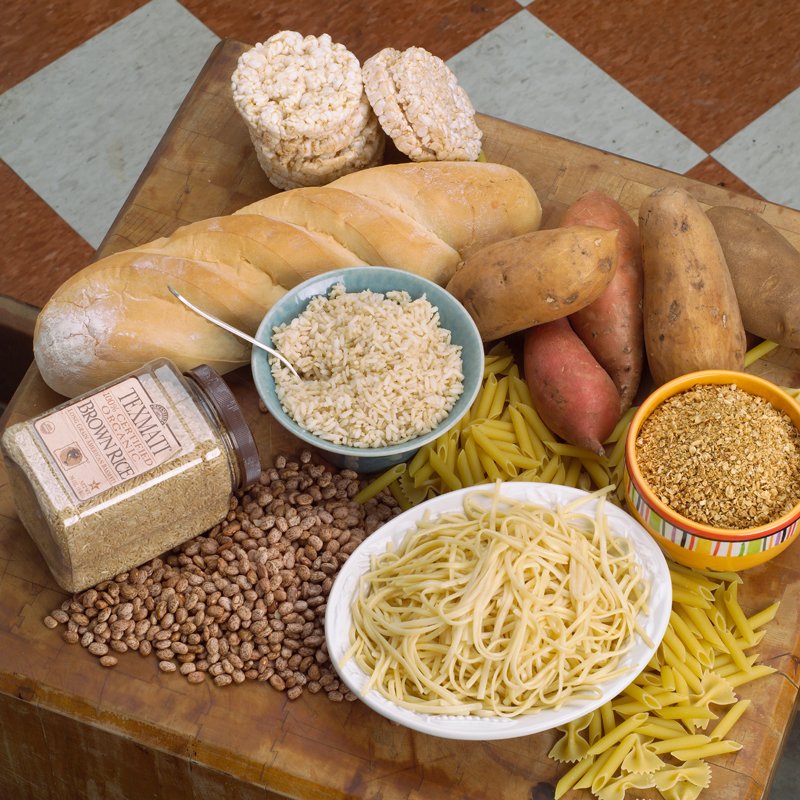
3. Supplements
Do you really need to spend hundreds of dollars per month on supplements if your nutritional practices are optimal? I doubt it. Let me re-word that, no, you don't.
Supplements add to the program. They do not replace sound training and nutrition. Legendary protein researcher, Kevin Tipton, says, "There is no reason to recommend protein supplements per se because there is no evidence that supplements work better than foods." I am not anti-supplement, but I am anti-nonsense.
.related-content-bottom
Undercover Calories - These Secrets May Be The Key Reason You Can't Lose Weight!
Have you tried repeatedly to lose those last 10 vanity pounds with no success? Stuck in a rut even though you're watching what you eat? The secret to all your troubles may be 'hidden' in the foods you're eating!
8 High-Sugar Foods To Avoid & Smart Choices To Replace Them!
Here's a list of 8 foods you need to have a close eye on if you are watching how much sugar you consume. Get the facts on how much sugar bagels and other popular foods have and healthy alternatives that are available!
Fight The Fat - The Opponent? A Calorie!
Ever wondered what a calorie really is and how it can help you in your fight to lose fat? Then look no further as I discuss what a calorie is, macronutrient breakdown of protein, carbs, fats, and much more right here!
Share This Article: Facebook
coachhale@adelphia.net
Recommend this article to a friend by e-mail here!
Back To Jamie Hale's Main Page
Back To The Articles Main Page.
Related Articles 25 Fast 'No Willpower' Ways To Lose Weight! Restaurant Dining Tips For Athletes & Healthy Eaters! 6 Sweet Secrets To Stay Slim!
Back To Top
Walden Farms Calorie Free DressingIncredibly Delicious And Perfect For Eating Healthy!Learn More!
sixpack workout
 If you have ever tested the Ab Circle Pro in a store, then you were probably amazed at how great it was at specifically targeting the abs and oblique muscles. I think most people are all skeptical about seeing new exercise equipments that we see on TV, but once in a while something shows up that really does live up to the hype to get you great abs. To really see if the Ab Circle Pro is best for you, it is highly recommended to read several reviews from other consumers, and also to check it out yourself to see if it works for you. Results may vary from one person to another because not everyone has the same type of genetics to get same results at same time.
After testing out the Ab Circle Pro, what I really liked was that it combined a strong aerobic exercise with cardio. The circular motion of going from side to side gets your abs burning, and gets your abs moving as well. This type of movement is necessary to shape and tone those muscles around your waste to build strong sexy abs. I was very impressed with how many calories I was burning while on a machine that looked more like a ride at an amusement park, but don’t let the looks fool you when you see somebody using Ab Circle Pro. However, this is not a toy because you can see serious results after trying Ab Circle Pro.
Twenty minutes per day is more than enough to get serious results in a few weeks for almost anyone who wants great abs. You can burn calories much faster with this machine and that means quicker results as well. You should always combine a good work out with a healthy diet, but if you are looking into getting the Ab Circle Pro, then I would say that you have made a wise choice because it really works for you.
The best part about the Ab Circle Pro is that you can try it for 30 days to see if you like it. After this time you can ship it back if you are not satisfied. You really have to use it for at least a few days to see if it’s something you are going to use on a regular basis, and trying it out in a store doesn’t give you enough time to get its full effect.
Visit Official Ab Circle Pro Site For More Info

This guide presents a bodybuilding training


Use Bodybuilding To Lose Weight this Summer!
This guide presents a bodybuilding training routine designed to get you in top shape for the summer with only 3 weekly weight training sessions of 1 hour or less and 3 weekly sessions of cardio of 40 minutes or less. Minimum equipment is required.
Read more
More On Summer Bodybuilding
Training & Dieting While Traveling
Improvise Workouts When Traveling
Build Your Arms for the Summer
Bodybuilding Spotlight10
Hugo's Bodybuilding Blog
Add to:
iGoogle
My Yahoo!
RSS
Bodybuilding Resource Guide for Teens
Wednesday August 25, 2010
Since I have been getting a lot of emails from confused teen bodybuilders who are just starting out their bodybuilding journey, I decided to put together some resources that teen bodybuilders can use to get started on the right track.
Bodybuilding Resource Guide for Teens
How To Get Started
The Biggest Mistakes Teens Make When They Start Bodybuilding
Bodybuilding Supplements for Teens
Bodybuilding Workout Routines for Teens
How Bodybuilding Can Help You Become a Better Student
Comments (0)
Permalink
Share
Which One is the Best Bodybuilding Training Routine For Muscle Gain and Fat Loss
Sunday August 15, 2010
When I'm asked which one is the best routine to perform when looking for bodybuilding gains, my answer always is to use a bodybuilding routine that you have never used before. In this manner you always keep the body guessing. The quickest route to stagnation and lack of gain is to follow a bodybuilding routine for months to an end with no changes to it.
Initially, when you start using a new bodybuilding workout your body needs to learn how to cope with the stress. It does this by growing the muscle, provided that your bodybuilding diet and sleep habits are in order. However, once the nervous system begins to adapt, the body then starts activating less and less fibers every time that the workout is performed. This is one of the ways in which the body prevents itself from growing out of control. You have to keep in mind that your body does not want to change and it will do whatever it takes to stay the same. Remember from your biology class that the body likes to stay in a state of homeostasis (a state of balance and no change). The way to get around this is by varying your bodybuilding workouts.
In your bodybuilding journey you will discover that the more advanced you become, the more you have to vary your training tactics. Now, variation works best when it is performed as part of a logical plan of periodization.
Learn more about periodization and how to implement it in your bodybuilding workouts by looking at the articles below:
Sample Periodization Bodybuilding Workout Training Routine #1
Sample Periodization Bodybuilding Workout Training Routine #2
Comments (0)
Permalink
Share
What Exercise Burns More Fat - Bodybuilding Training Exercise with Weights or Cardiovascular Exercise?
Sunday August 8, 2010
Since the 80's cardiovascular exercise has been touted as the best exercise for burning body fat. However, if you look at the physiques of people who only do cardiovascular exercise, they still do not have a completely fit and toned body? Why is that?
Find out why in my latest Bodybuilding FAQ: What Exercise Burns More Fat - Bodybuilding Training Exercise with Weights or Cardiovascular Exercise?
Comments (0)
Permalink
Share
When Is The Best Time To Perform Your Bodybuilding Workouts?
Saturday July 31, 2010
The question of what is the best time to perform your bodybuilding workouts is a very common question that unfortunately gets answered in a different way, depending of who you ask. In this blog I want to give you some specific guidelines so that you can determine what is the best time to workout for you.
In a nutshell:
The Best Time to Workout = The Most Convenient Time for You.
While this may sound overly simplistic, this is a practical and true statement. No need to over-complicate matters.
For more tips on how to schedule your workouts please take a look at my latest Bodybuilding FAQ - What Is The Best Time To Perform Your Bodybuilding Workouts?
Comments (2)
Permalink
Share
See More Blog Entries
Wednesday, August 25, 2010
Muscle Building Nutrition - Fat

Muscle Building Nutrition - Fat
Athletes should aim to limit fat to 15-30% of total calories although, in practice, most strength trainers achieve an intake of around 20% in an effort to maintain low body-fat levels. Be careful not to drop your fat intake too low or you will almost certainly miss out on certain vitamins - such as vitamin E - and a vital subgroup of fats called the 'essential fatty acids'. Eating them in the right quantities could even boost your performance in the gym.
What are essential fats?
The two essential fatty acids - linoleic acid and alpha-linolenic acid - are vital to your health and cannot be made in the body. When you eat linoleic acid, your body converts it into a number of other fatty acids, including gamma-linolenic acid (GLA) and docosapentanoic acid (DPA). Linoleic acid and its derivative fatty acids are called omega-6 fatty acids (there is a rigid link, or 'double bond', on the sixth carbon atom in the fatty acid chain). When you eat alpha-linolenic acid, your body converts it into eicosapentanoic acid (EPA) and docosahexaoic acid (DHA), and these are called omega-3 fatty acids (the rigid link occurs on the third carbon atom).
Both omega-6 (from most vegetable oils and margarines) and omega-3 (from oily fish and certain nuts and seeds) fatty acids are essential for good health. They are involved in cell membrane structure, especially in the retina of the eye, the brain and the heart, and the body also uses them to produce a group of hormone-like substances called 'eicosanoids'. These regulate many processes in the body such as the inflammatory and immune responses. Many experts believe that it is the wrong ratio of omega-3s to omega-6s that contributes to many health problems, such as heart disease, inflammation, rheumatoid arthritis and pain, even slow post-workout recovery. In other words, a high omega-6 intake and low omega-3 intake causes your body to make too many eicosanoids promoting inflammation and pain.
For optimal health and performance therefore need to consume them in the right proportions - roughly five times more omega6s than omega-3s. That means you should consume 1 g of omega-3s for every 1-5 g of omega-6s each day. Most people consume far more omega-6s than omega-3s.
How can omega-3s help strength trainers?There is mounting evidence to suggest that a high intake of omega-3s reduces inflammation, pain and joint stiffness. Eating more omega3s and less omega-6s could help you recover faster after a heavy workout in the gym and reduce any pain and swelling in your joints.
Omega-3s can also benefit your cardio workouts. Eating more omega-3s enhances aerobic metabolism, which means increased endurance and fat burning. Oxygen delivery to your cells is improved because omega-3s reduce blood viscosity and make red cell membranes more flexible. So, your cardio workouts will be more effective.
How can I get the right amount of omega-3s?Oily fish - such as mackerel, pilchards, trout, salmon, herring and sardines - are the richest sources of eicosapentanoic acid and docosahexaoic acid, the very long chain omega-3s. However, alphalinolenic acid (the precursor to eicosapentanoic acid and docosahexaoic acid) is also found in other foods -like sweet potatoes, walnuts, almonds, rapeseed oil, walnut oil, soya oil, flaxseed oil, flaxseeds, chicken and beef. Alternatively, supplements and foods fortified with omega-3s (e.g. omega-3 enriched eggs, margarine and bread) can also help increase your intake. The best sources of both omega-3 and omega-6 fatty acids are given in Table below.There is no recommended daily amount for omega-3s, although the government advises eating at least 1 portion of oily fish per week, which will provide around 2-3 g eicosapentanoic acid and docosahexaoic acid. A separate recommendation of 0.65 g eicosapentanoic acid and docosahexaoic acid/day has also been made.
The Omega-3 and Omega-6 Fatty Acid Content of Various Foods
Food
Portion
Omega-3s
Omega-6s
Omega-6 : Omega-3 ratio
Good sources of omega-3s
Rapeseed oil
1 tbsp
1.5
3.1
1 : 0.49
Cod liver oil
1 tbsp
2.7
0.9
1 : 3
Flaxseed oil
1 tbsp
7.5
1.8
1 : 4.2
Walnut oil
1 tbsp
1.4
7.5
5.3 : 1
Salmon
100 g
1.5
0.6
1 : 2.5
Herring
100 g
1.8
0.6
1 : 3
Trout
100 g
2
1.4
1 : 1.4
Omega-3 fortified egg
1
0.7
0.7
1 : 1
Typical fatty acid supplement
0.5
0.1
1 : 5
Good sources of omegs-6s
Corn oil
1 tbsp
0.1
7.9
79 : 1
Soya margarine
1 tbsp
0.1
3.5
25 : 1
Mayonnaise
1 tbsp
0.4
7.2
18 : 1
Safflower oil
1 tbsp
0.05
10.1
202 : 1
Soya oil
1 tbsp
1
7.2
7.2 : 1
Goal
5 : 1
Muscle Building Nutrition - Fat
Muscle Building Nutrition - Fat
Athletes should aim to limit fat to 15-30% of total calories although, in practice, most strength trainers achieve an intake of around 20% in an effort to maintain low body-fat levels. Be careful not to drop your fat intake too low or you will almost certainly miss out on certain vitamins - such as vitamin E - and a vital subgroup of fats called the 'essential fatty acids'. Eating them in the right quantities could even boost your performance in the gym.
What are essential fats?
The two essential fatty acids - linoleic acid and alpha-linolenic acid - are vital to your health and cannot be made in the body. When you eat linoleic acid, your body converts it into a number of other fatty acids, including gamma-linolenic acid (GLA) and docosapentanoic acid (DPA). Linoleic acid and its derivative fatty acids are called omega-6 fatty acids (there is a rigid link, or 'double bond', on the sixth carbon atom in the fatty acid chain). When you eat alpha-linolenic acid, your body converts it into eicosapentanoic acid (EPA) and docosahexaoic acid (DHA), and these are called omega-3 fatty acids (the rigid link occurs on the third carbon atom).
Both omega-6 (from most vegetable oils and margarines) and omega-3 (from oily fish and certain nuts and seeds) fatty acids are essential for good health. They are involved in cell membrane structure, especially in the retina of the eye, the brain and the heart, and the body also uses them to produce a group of hormone-like substances called 'eicosanoids'. These regulate many processes in the body such as the inflammatory and immune responses. Many experts believe that it is the wrong ratio of omega-3s to omega-6s that contributes to many health problems, such as heart disease, inflammation, rheumatoid arthritis and pain, even slow post-workout recovery. In other words, a high omega-6 intake and low omega-3 intake causes your body to make too many eicosanoids promoting inflammation and pain.
For optimal health and performance therefore need to consume them in the right proportions - roughly five times more omega6s than omega-3s. That means you should consume 1 g of omega-3s for every 1-5 g of omega-6s each day. Most people consume far more omega-6s than omega-3s.
How can omega-3s help strength trainers?There is mounting evidence to suggest that a high intake of omega-3s reduces inflammation, pain and joint stiffness. Eating more omega3s and less omega-6s could help you recover faster after a heavy workout in the gym and reduce any pain and swelling in your joints.
Omega-3s can also benefit your cardio workouts. Eating more omega-3s enhances aerobic metabolism, which means increased endurance and fat burning. Oxygen delivery to your cells is improved because omega-3s reduce blood viscosity and make red cell membranes more flexible. So, your cardio workouts will be more effective.
How can I get the right amount of omega-3s?Oily fish - such as mackerel, pilchards, trout, salmon, herring and sardines - are the richest sources of eicosapentanoic acid and docosahexaoic acid, the very long chain omega-3s. However, alphalinolenic acid (the precursor to eicosapentanoic acid and docosahexaoic acid) is also found in other foods -like sweet potatoes, walnuts, almonds, rapeseed oil, walnut oil, soya oil, flaxseed oil, flaxseeds, chicken and beef. Alternatively, supplements and foods fortified with omega-3s (e.g. omega-3 enriched eggs, margarine and bread) can also help increase your intake. The best sources of both omega-3 and omega-6 fatty acids are given in Table below.There is no recommended daily amount for omega-3s, although the government advises eating at least 1 portion of oily fish per week, which will provide around 2-3 g eicosapentanoic acid and docosahexaoic acid. A separate recommendation of 0.65 g eicosapentanoic acid and docosahexaoic acid/day has also been made.
The Omega-3 and Omega-6 Fatty Acid Content of Various Foods
Food
Portion
Omega-3s
Omega-6s
Omega-6 : Omega-3 ratio
Good sources of omega-3s
Rapeseed oil
1 tbsp
1.5
3.1
1 : 0.49
Cod liver oil
1 tbsp
2.7
0.9
1 : 3
Flaxseed oil
1 tbsp
7.5
1.8
1 : 4.2
Walnut oil
1 tbsp
1.4
7.5
5.3 : 1
Salmon
100 g
1.5
0.6
1 : 2.5
Herring
100 g
1.8
0.6
1 : 3
Trout
100 g
2
1.4
1 : 1.4
Omega-3 fortified egg
1
0.7
0.7
1 : 1
Typical fatty acid supplement
0.5
0.1
1 : 5
Good sources of omegs-6s
Corn oil
1 tbsp
0.1
7.9
79 : 1
Soya margarine
1 tbsp
0.1
3.5
25 : 1
Mayonnaise
1 tbsp
0.4
7.2
18 : 1
Safflower oil
1 tbsp
0.05
10.1
202 : 1
Soya oil
1 tbsp
1
7.2
7.2 : 1
Goal
5 : 1
Antioxidants

Antioxidants
Antioxidants are substances that quench free radicals (see below) and include enzymes, vitamins, minerals and plant substances called phytochemicals. The most popular antioxidant supplements include beta-carotene and other carotenoids (such as lycopene found in tomatoes), vitamin C, vitamin E, selenium, Coenzyme Q10, lipoic acid, conjugated linoleic acid, N-acetyl-cysteine (NAC), proanthocyanidins (found in pine bark and grape seed extract), curcumin (found in turmeric), the amino acids cysteine and methionine, and catechins (found in green tea).
What are Free Radicals?
A free radical is an atom or molecule containing an unpaired electron. It is highly unstable and reactive, and capable of damaging fat-and protein-containing tissues.
Free radicals are continually produced during normal cell processes and at low levels even have a useful role : they help manufacture prostaglandins, kill bacteria and heal wounds. It's only when free radicals are present in excessive numbers that they cause problems. They can destroy cell membranes, membrane proteins, DNA( the genetic material found in every cell), enzymes, blood cholesterol and mitochondria membranes and, over a period of time, free radicals damage is thought to be development of atherosclerosis several cancers and the ageing process.
Should Athletes take Antioxidant Supplements?
The more you exercise, the more free radicals you generate. This is due partly to the 10-20fold increase in oxygen consumption, the increase in lactic acid production and the increase in heat generation. Heavy weight training is one of the worst. It results in microtears in the muscle that generate more free radicals, and this is partly responsible for post-exercise soreness and tenderness.
The body tends to adapt - thankfully - by producing higher levels of antioxidant enzymes to deal with the additional amount of free radicals. So could supplements provide any further benefit?
Well, antioxidant supplements will not stop you producing free radicals nor will they enhance your strength and performance. However, they will bolster your body's defences against increased free radical attack, and studies have found that supplementation helps reduce the damage to muscles and other tissues caused by exercise. You also get less post-exercise discomfort, swelling and soreness.
What are the Optimal Doses of Antioxidants?
Professor Anthony Diploc from the University of London at Guys Hospital has proposed optimal intakes, which would give greater protection from disease. For betacarotene, the optimal level would be 15-25 mg, for vitamin E, 50-80 mg and for vitamin C 1O0-150 mg, all of which areconsiderably greater than current average intakes. Mel Williams, Professor at the Dept. of Exercise Science, Physical Education and Recreation at Old Dominian University, USA, advises 500-1000 mg vitamin C, 400-800 mg IU Vitamin E and 50-100 micro gram selenium.
Food or Supplements?
The best advice is to get as many antioxidants as possible from food. It is not possible to replicate what you get from food in a pill. Food contains hundreds of phytochemicals, all of which have slightly different antioxidant actions. Taking a selected few in the form of a supplement will not give you the best protection.
The Department of Health and the World Health Organisation advise a minimum of 400 g or five portions of fruit and vegetables a day. Aim to consume at least 2-3 portions of fruit and 3-4 portions of vegetables - the more intensely colored the better. (The Table given below shows the healthiest fruit and vegetables, ranked by researchers at Tuft's University for their ability to soak up free radicals.)
ORAC Score
Fruit
Prunes
5770
Raisins
2830
Blueberries
2400
Blackberries
2036
Strawberries
1540
Raspberries
1220
Plums
949
Oranges
750
Red grapes
739
Cherries
670
Vegetable
Kale
1770
Spinach
1260
Brugsel sprouts
980
Broccoli
890
Beetroot
840
Red peppers
710
Onion
450
Sweetcorn
400
A number of experts have recommended optimal doses of selected antioxidants, which are considerably higher than the intakes you could hope to get from a normal diet. For example, to get 80 mg vitamin E you would need to consume 162 g (about 15 tb sp) sunflower oil (one of the richest sources of vitamin E) daily. To obtain 25 mg beta carotene you would need to eat 333 g carrots (that's six carrots) daily. Therefore, it makes sense to take a daily antioxidant supplement
Antioxidants
Antioxidants
Antioxidants are substances that quench free radicals (see below) and include enzymes, vitamins, minerals and plant substances called phytochemicals. The most popular antioxidant supplements include beta-carotene and other carotenoids (such as lycopene found in tomatoes), vitamin C, vitamin E, selenium, Coenzyme Q10, lipoic acid, conjugated linoleic acid, N-acetyl-cysteine (NAC), proanthocyanidins (found in pine bark and grape seed extract), curcumin (found in turmeric), the amino acids cysteine and methionine, and catechins (found in green tea).
What are Free Radicals?
A free radical is an atom or molecule containing an unpaired electron. It is highly unstable and reactive, and capable of damaging fat-and protein-containing tissues.
Free radicals are continually produced during normal cell processes and at low levels even have a useful role : they help manufacture prostaglandins, kill bacteria and heal wounds. It's only when free radicals are present in excessive numbers that they cause problems. They can destroy cell membranes, membrane proteins, DNA( the genetic material found in every cell), enzymes, blood cholesterol and mitochondria membranes and, over a period of time, free radicals damage is thought to be development of atherosclerosis several cancers and the ageing process.
Should Athletes take Antioxidant Supplements?
The more you exercise, the more free radicals you generate. This is due partly to the 10-20fold increase in oxygen consumption, the increase in lactic acid production and the increase in heat generation. Heavy weight training is one of the worst. It results in microtears in the muscle that generate more free radicals, and this is partly responsible for post-exercise soreness and tenderness.
The body tends to adapt - thankfully - by producing higher levels of antioxidant enzymes to deal with the additional amount of free radicals. So could supplements provide any further benefit?
Well, antioxidant supplements will not stop you producing free radicals nor will they enhance your strength and performance. However, they will bolster your body's defences against increased free radical attack, and studies have found that supplementation helps reduce the damage to muscles and other tissues caused by exercise. You also get less post-exercise discomfort, swelling and soreness.
What are the Optimal Doses of Antioxidants?
Professor Anthony Diploc from the University of London at Guys Hospital has proposed optimal intakes, which would give greater protection from disease. For betacarotene, the optimal level would be 15-25 mg, for vitamin E, 50-80 mg and for vitamin C 1O0-150 mg, all of which areconsiderably greater than current average intakes. Mel Williams, Professor at the Dept. of Exercise Science, Physical Education and Recreation at Old Dominian University, USA, advises 500-1000 mg vitamin C, 400-800 mg IU Vitamin E and 50-100 micro gram selenium.
Food or Supplements?
The best advice is to get as many antioxidants as possible from food. It is not possible to replicate what you get from food in a pill. Food contains hundreds of phytochemicals, all of which have slightly different antioxidant actions. Taking a selected few in the form of a supplement will not give you the best protection.
The Department of Health and the World Health Organisation advise a minimum of 400 g or five portions of fruit and vegetables a day. Aim to consume at least 2-3 portions of fruit and 3-4 portions of vegetables - the more intensely colored the better. (The Table given below shows the healthiest fruit and vegetables, ranked by researchers at Tuft's University for their ability to soak up free radicals.)
ORAC Score
Fruit
Prunes
5770
Raisins
2830
Blueberries
2400
Blackberries
2036
Strawberries
1540
Raspberries
1220
Plums
949
Oranges
750
Red grapes
739
Cherries
670
Vegetable
Kale
1770
Spinach
1260
Brugsel sprouts
980
Broccoli
890
Beetroot
840
Red peppers
710
Onion
450
Sweetcorn
400
A number of experts have recommended optimal doses of selected antioxidants, which are considerably higher than the intakes you could hope to get from a normal diet. For example, to get 80 mg vitamin E you would need to consume 162 g (about 15 tb sp) sunflower oil (one of the richest sources of vitamin E) daily. To obtain 25 mg beta carotene you would need to eat 333 g carrots (that's six carrots) daily. Therefore, it makes sense to take a daily antioxidant supplement
Diet and Nutrition
 Diet and Nutrition
Diet and Nutrition are one of, if not, the most important part of getting the body you want. You have to eat good to look good. But if you go that extra mile and eat great... you guessed it, you can look great! No matter what your goals are, 1 thing is the same. You need protein, and you don't need fat. Thats the most important rule here. Stay away from fatty foods. Cookies, chips, candy, chocolate, cake, fast food, fried food etc. Not all fat is bad for you though. There is a healthy fat. This fat can be found in fish, nuts and some oils such as flax seed oil.
Eating to lose weight
The first nutritional demand of your body is energy. Without adequate energy, your body will convert muscle protein into energy to feed your brain, nervous system and red blood cells. These particular tissues do not possess the metabolic machinery to burn fat. They only burn carbohydrate. When your intake of carbohydrate falls below these tissues demand, the body begins to convert tissue protein into carbohydrate to meet their need. The net result is a loss of muscle tissue. Yes, the scale may say you have lost "weight", but you have lost the very tissue that burns fat. Muscle tissue burns 70% of the fat in your body; so losing muscle sacrifices your ability to burn body fat. In fact, the "weight" you lose on a diet can represent up to 10 to 20% of those pounds in muscle loss.
Looking for weight loosing programs ? Click here for more information about weight loss and weight losing tips.
Eating to build muscle
First of all try to Include as much variety in your bodybuilding diet as you possibly can. It's recommended you consume five to six medium size meals during the day rather than two or three big ones. Try to Include a large amount of high quality protein in your bodybuilding diet and cut out as much animal fat as possible. Also, the lighter you cook your foods, the more nutrients will be retained. It's also key to consume lots of natural carbs found in grains, breads, fruits and veggies. Multivitamin-multimineral supplements are also very important as they contain digestive enzymes (this will aid in protein synthesis). Avoid junk food and empty calories (sugar). Try to stay away from soda and beer as they are packed with empty calories. Whatever you do don't miss meals! Missing meals puts your body in a fat-storing mode.
Looking for weight gaining programs ? Click here for more information on weight gaining and weight gaining tips.
If you want nutritional supplements or weight losing supplements or any other nutrition related thing there is a link below in Nutritional guidlines - Nutritional tip-2 to drugstore.com where you will get all nutrition and weight loosing related supplements and much more all what you want.
Muscle Building Nutriton
Strength training and good nutrition go hand in hand. There is little point sweating it out, giving it your all in the gym, unless you support your training programme with sufficient fuel and nutrients. Strength training simply provides the stimulus for muscle growth - your diet provides the raw materials for new muscle.
This topic explains what you should eat to maximise muscle and minimise fat. It covers seven key topics - carbohydrate, protein, fat, fluid, vitamins and minerals, antioxidants and supplements - each of which addresses the issues most relevant to strength trainers to give you the straight facts about eating before, during and after training, what and how much you should drink, and which supplements are most helpful for reaching your goals.
Antioxidants
Carbohydrate
Fat
Fluid
Protein
Supplements
Vitamins and Minerals
Nutritional Guidelines to Build Your Physique!
Looking to build mass and power? Try these nutritional tips to add a kick to your gains.
Nutritional tip # 1- Consume lots of protein.
Consume at least one gram of protein per pound of bodyweight each day. For example, if you weight 150 pounds, you should be eating at least 150 grams of protein each and every day.
Nutritional tip # 2 - Use nutritional supplements to enhance your nutritional program.
Nutritional supplements are meant to enhance an already great nutritional program. If you have the right combination of nutrients and the right nutrition program, a sport supplement schedule may serve to enhance your performance.
In order for nutrition supplements to function properly, they must be taken at the proper times and in the proper amounts. I suggest you do your homework when it comes to using weight loosing supplements and make an informed decision before consuming any powder, pill, or brew.
You will also want to ensure that the nutritional supplement manufacturer is well established in the industry and not a fly by night company.
Click here to buy the nutritional supplements or for more info.
Other special things available through this link at drugstore.com are
Exercise and fitness.
Diet and weight loss.
Nutritional foods.
Nutritional supplements.
Sports nutrition.
Multi-vitamins.
Herbs.
Minerals.
Wellness book and media.
Massage and relaxation.
And hey did I tell you, you can save upto $10 with drugstore.com and also there are every day free shipping facilities on orders of $49 or more.
Nutritional tip # 3 - Eat 5-6 small meals a day.
Unlike most people's string of painfully low-calorie days, which puts the body in a fat-storing mode since it has no idea when it will be fed next, eating a small meal every three hours keeps our muscles in a fat-burning mode since they're receiving a steady but not excessive supply of nutrients. This practice also helps increase our energy levels and fight the hungry feeling that often leads to cheating with fat-building, between-meal snacks. Eating only 2-3 large meals a day like most people, however, can overwhelm our bodies. Since they can only use a certain amount of food at a time, the remainder will usually be stored as fat.
Here's an example schedule.
Breakfast: eggs, whole-wheat toast, fruit etc.
Mid-morning: protein shake such as Myoplex (I eat this meal in my P.E. class)
Lunch: sandwich (meat, veggies, and whole-wheat bread) fruit or veggies etc.
Mid-afternoon: anything that's good and healthy (I eat this one after school)
Post workout: something with lots of protein- i.e. protein shake, protein bar etc.
Supper: a good meal with protein and some whole grains and veggies.
Nutritional tip # 4 - Consume lots of carbohydrates.
Consume at least 3 to 4 grams of carbohydrates per pound of bodyweight each day. Make sure that most of these carbohydrates come from comples sources such as pasta, rice, oatmeal, potatoes and yams and fibrous veggies such as broccoli and asparagus. The only time you should be feeding your body fast acting carbs is immediately after your workouts.
Nutritional tip # 5 - Keep good fats in your meal plan.
While TV tells us that eating fat makes you fat, the reality of the situation is that since the "fat-free" craze began, studies are showing that Americans continue to get fatter and fatter. While limiting fat intake is a good idea, totally eliminating it is not. Besides being necessary for healthy skin and hair, fat is involved in the production of many hormones, including testosterone. That's why it's almost impossible to build muscle mass when on an extremely low fat diet. Fat also lowers the glycemic index of many high carb foods, so we don't get that huge fat-producing insulin surge commonly associated with eating fat-free goodies by themselves. More importantly, we need a certain amount of fat to process body fat metabolism. In other words, eating too little fat makes it harder for us to burn unwanted fat.
Nutritional tip # 6 - Don't starve yourself.
Simply put, fat gains and losses are mathematical events. You're not going to look like a sleek, defined racehorse if you eat like a pig. It's important to eat enough good foods to maintain lean muscle mass, but not overindulging to the point of increasing fat storage. Since this line is an easy one to cross, I recommend writing down in a small notebook the calorie content and macronutrient breakdown (grams of protein, carbohydrates, and fat) of what you eat. This technique also helps keep me more focused on my goal.
Nutritional tip # 7 - Diet ratio.
Your diet ratio should be 50 to 55% carbohydrates, 25 to 30% protein and 15 to 20% fat.
Nutritional tip # 8 - Drink lot of water.
Drink water...lots of it! I try to drink at least 2 gallons a day during and in between my meals. Muscle is composed of 70 percent water. A high protein diet and intense exercise require more water since these are dehydrating activities. Water is needed to transport vitamins, minerals, and supplements and even foods throughout our bodies. if our water intake is too low, muscle fullness decreases and a toxic buildup of ammonia, urea, and other waste products can result. Contrary to popular belief, restricting water intake can actually lead to more water retention than providing the body with a steady supply.
Nutritional tip # 9 - Consume more calories.
When boosting your caloric intake, gradually increase the amount of calories over a period of 7 to 10 days. This way, you are using the extra calories as fuel as opposed to storing it as fat. If you find yourself stuck, gradually increase the amount of calories per day.
Nutritional tip # 10 - Eat whole grains.
No more white bread and flower. Eat whole-wheat bread and cook with whole-wheat flower. You will get more nutrients from them and they take longer to digest, so they stick with you longer.
Nutritional tip # 11 - No meals within two hours of bedtime.
To prevent unwanted fat storage, I eat my biggest meals early in the day when I'm most active. I particularly limit my carbohydrate foods in later meals. I've found eating too close to bedtime is a good way to lose definition since my body doesn't burn the same level of calories during the sleeping maintenance mode as it does during the waking hours.
Use these 11 nutritional tips to increase your size and strength.
If you are looking for weight gaining programs that really works,there are step-by-step programs avilaible here.Now Click here for gaining weight the smart way and Click here for more information about weight lifting tips.

Subscribe to:
Comments (Atom)